.png)

I remember watching a Year 9 RE class work on a group project about Buddhist concepts of suffering delivered by one of my ex-colleagues. The teacher assigned roles using CROWS - that acronym every NQT learns in their first term (it was always NQT before ECT!). Checker. Reader. Organiser. Writer. Speaker. Each student had a defined job, clear responsibilities, individual accountability within the collaborative framework.
It was pretty typical in every classroom (and probably variations of acronyms do the rounds in many schools around the world).
Except it’s bollocks, isn’t it?
The Writer did 70% of the work whilst the Checker occasionally nods. The Reader finished the sources about dukkha in ten minutes and spent the rest of time scrolling their iPad. The Organiser had organised nothing because there’s nothing to organise - they’re four kids at a table with worksheets. The Speaker practised their presentation voice whilst contributing nothing to the thinking.
The irony seemed quite exquisite. They’re studying a philosophical tradition that fundamentally rejects the notion of a fixed, autonomous self - the Buddhist concept of anātman or “no-self” - whilst being forced into a pedagogical structure that treats them as discrete, separable units of individual achievement. The content says “you are not separate”; the method screams “you absolutely are.”
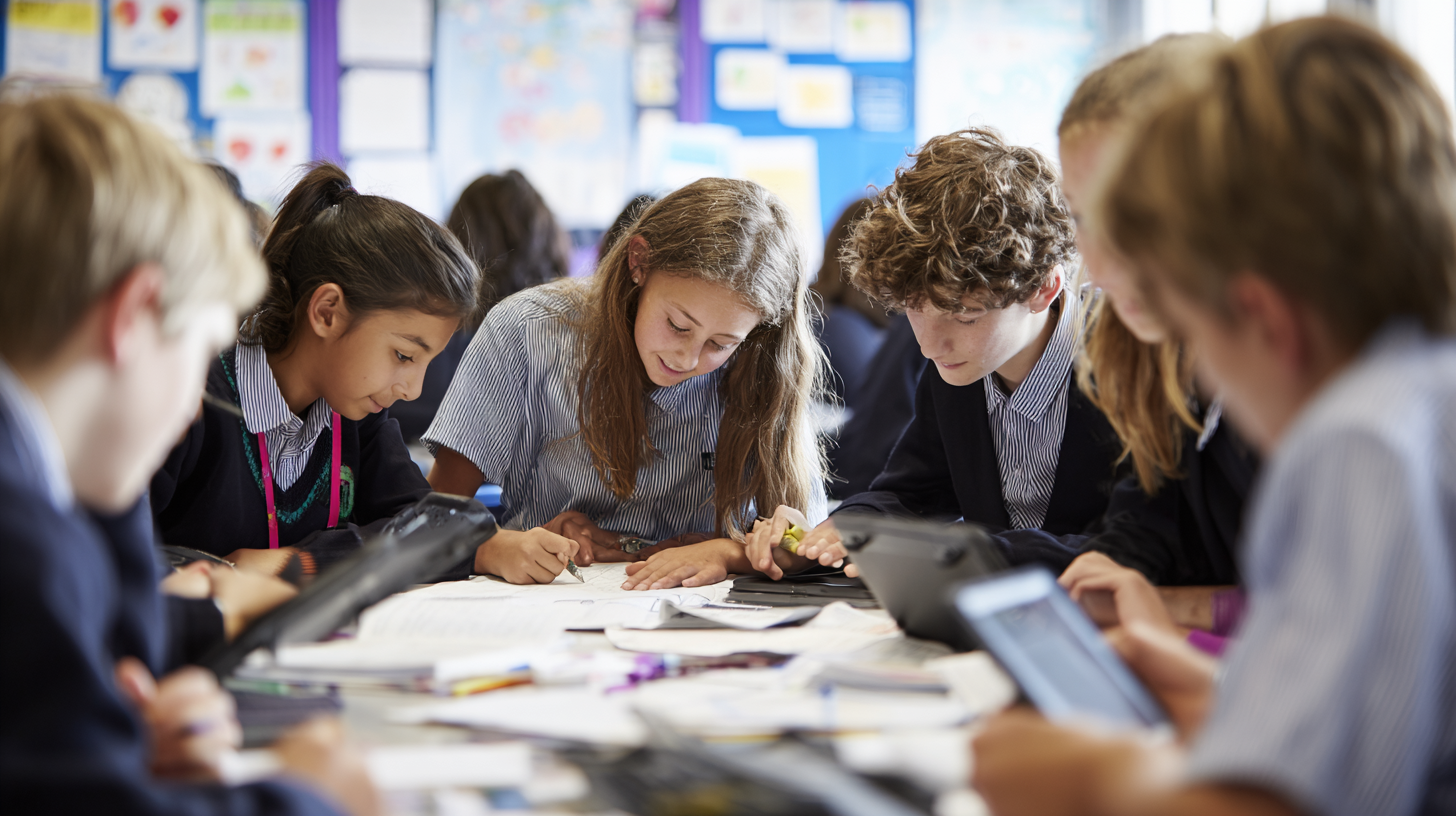
When I was an early career teacher, CROWS was presented as the solution to group work’s persistent problem. By giving everyone a role, we’d ensure equal participation, distribute the workload fairly, make collaboration actually collaborative.
What we actually created was a more elaborate show of individualism. We took something that could have been genuinely collaborative and atomised it into discrete, assessable, individual tasks. Because at the end of this half-term, the teacher needs to grade each student separately. Individual progress, individual contribution, individual achievement. The group work is just scaffolding for individual assessment.
This seems to be one of the fundamental delusions at the heart of Western education. We’ve convinced ourselves that learning happens inside individual minds, that knowledge is something possessed by autonomous selves, that we can meaningfully separate one student’s understanding from another’s. We’ve built an entire educational architecture on a philosophical foundation that’s not just culturally limited - it’s fundamentally wrong.
The Japanese have a different word for what it means to be human. Ningen (人間) - a concept that reveals just how bizarre our Western obsession with the autonomous individual really is.
The Cartesian Classroom
René Descartes locked himself in a room in the 17th century, meditated on how his mind worked, and decided that what he discovered applied to every human being across all space and time. “I think, therefore I am” became the foundation of an entire Western conception of the modern subject.
This is, when you think about it, extraordinarily arrogant. A Frenchman who could afford the time to ponder his consciousness concluded that his particular experience should be the universal model. As Japanese philosopher Watsuji Tetsurō argued in the 1930s, this represents “self-referential abstraction” - projecting one’s culturally specific experience onto all humanity and calling it universal.
“Therefore, if human being is not simply the individual person, it is also not simply society. Within human being, these two are unified dialectically” Watsuji Tetsuro
British education has absorbed this Cartesian inheritance completely. Individual learner. Individual assessment. Individual targets. Individual progress. Every structure assumes learning happens inside autonomous minds, with other people serving merely as external stimuli.
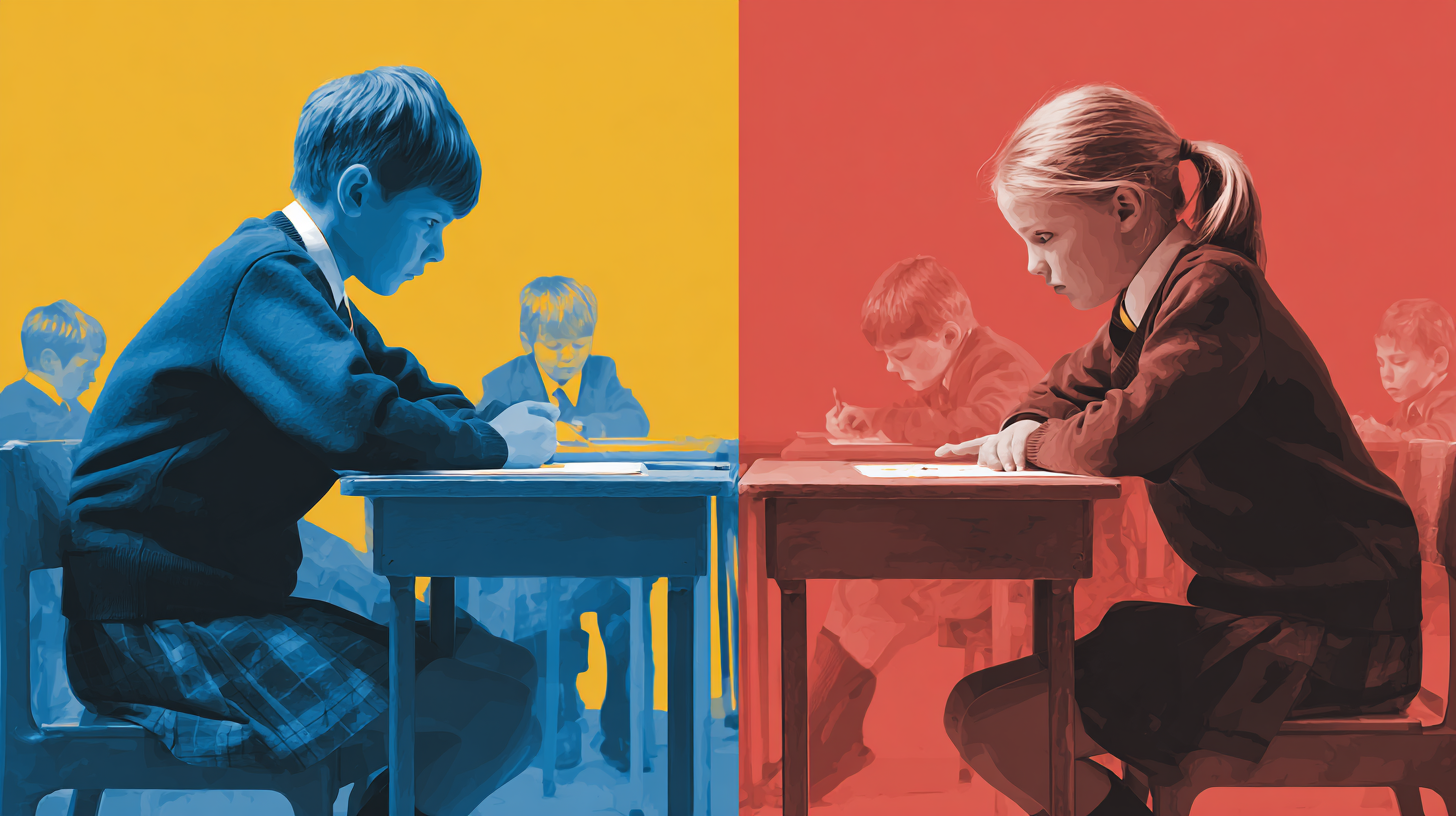
Growth mindset is entirely predicated on this model. Dweck’s research, valuable as it is, assumes the locus of change is the individual mind. Grit follows the same pattern - individual character traits determining success. Even resilience treats students as isolated units requiring individual coping strategies.
The violence this does to actual learning is potentially profound. Understanding emerges through dialogue, shared confusion, collective sense-making. When we assess individuals separately, we destroy the conditions that make deep learning possible. When we rank students against each other, we create competition where collaboration should flourish.
Most damagingly, we teach students to see themselves this way. They learn that they are autonomous individuals competing for scarce goods. They learn that their worth is measured by individual achievement. They learn that other people are either resources to exploit or obstacles to overcome.
This isn’t just bad pedagogy. It’s ontologically wrong.
Between the Gate Posts
The Japanese word ningen (人間) consists of two characters with profound implications. The first, nin or hito (人), depicts two people supporting each other. It means “person” but carries plurality within itself - you cannot have one person without the relational structure that constitutes personhood.
The second character, aida (間), consists of a gate (門) with the sun (日) shining through - suggesting the hollow expanse beyond. This signifies “betweenness”, the space that both separates and connects.
Together, ningen doesn’t mean “individual human being” in the Western sense. It means “human as betweenness” or “person constituted through relational space.” The concept fundamentally rejects the autonomous self existing prior to relationships.
Tetsuro argued that Western philosophy gets things backwards. It treats the individual as primary and tries to construct society from supposedly self-sufficient atoms. Humans exist always already in betweenness, through relationships, as webs of connection. The relational space is the foundation, not the individual.
Think about language. You didn’t invent these words. You absorbed them through countless interactions with other speakers. Your understanding exists only within a vast network of human knowledge-making, and it changes based on the relationships through which you engage with ideas.
Even your sense of self emerges through relationships. Developmental psychologists from Vygotsky onwards show that identity forms through social interaction. We become who we are by internalising others’ voices. Our consciousness is profoundly dialogical.
Buddhism takes this further with anātman - no-self. There’s no fixed, essential, unchanging “you” existing independently. What we call the self is a dynamic process constituted entirely through relationships and dependent origination.
This connects to śūnyatā - emptiness. Everything is empty of inherent existence. Nothing has a fixed essence. Everything exists only in relation to everything else, in constant flux, radically interdependent.
For Tetsuro, this emptiness is crucial for ethics. Because there’s no fixed human essence, each group can constitute their understanding of what it means to be human through “mutual self-negation” - creating space for others by emptying assumptions.
If it helps, it’s worth thinking about writer and reader. For me to express myself, you need to suspend your frameworks. But I must empty my preferences to write accessibly. Good communication requires this mutual self-negation. Learning, friendship, community - all require this delicate balance of assertion and emptying.
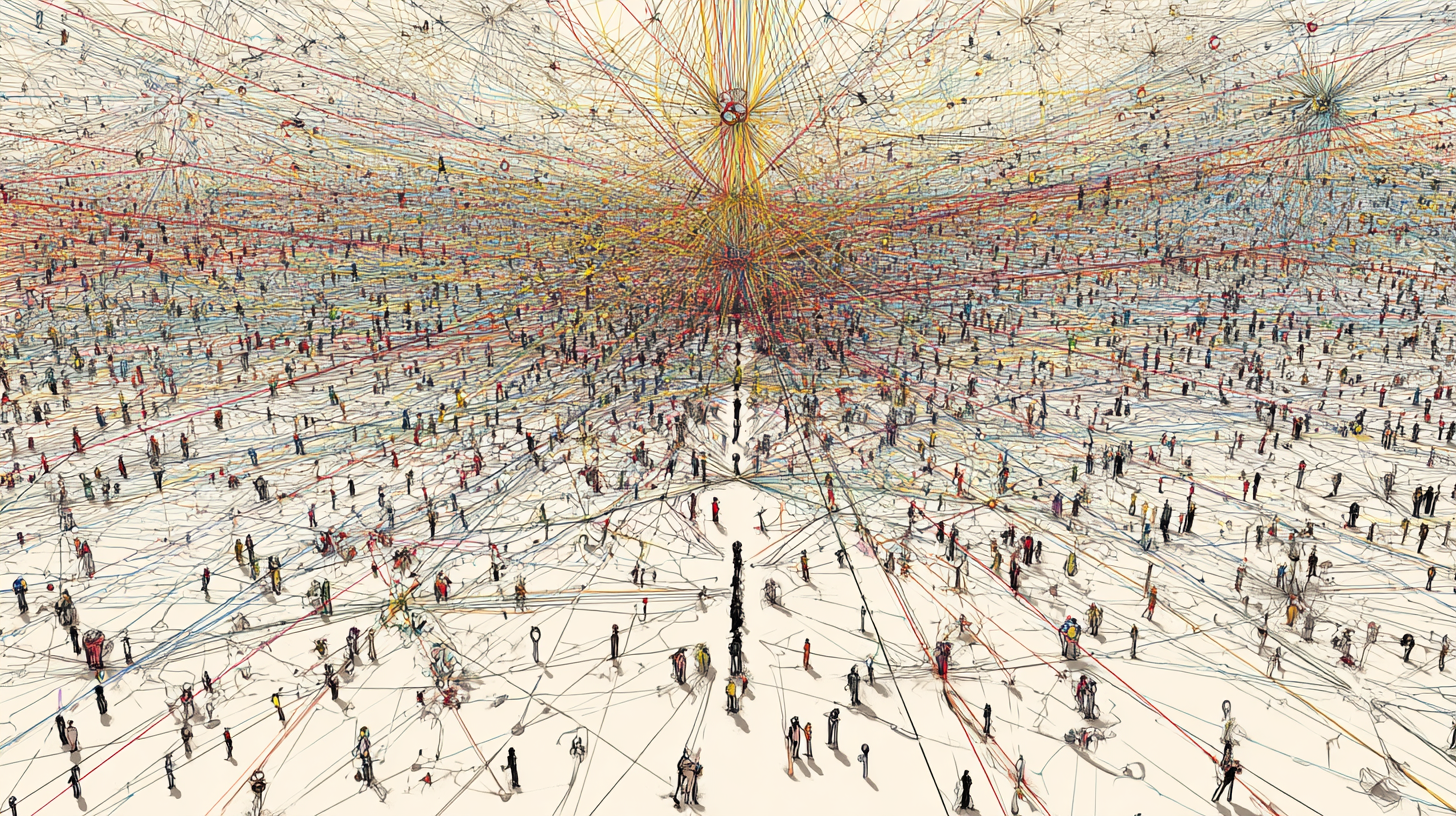
Crucially, this betweenness isn’t static. It’s dynamic, constantly shifting. The space between teacher and student changes as they engage. The classroom community develops its own character through interactions within it.
This has radical implications. If knowledge emerges in relational spaces, not inside individual minds, then everything about education needs rethinking. Learning isn’t information transfer but co-creation of understanding through dialogue. Students aren’t vessels to be filled but participants in webs of meaning-making.
More troubling: if this is true, individual assessment isn’t just inadequate - it’s measuring the wrong thing entirely.
Emptying the Expert
If human existence is fundamentally relational, what does that mean for teaching? The traditional model collapses. There’s no pure transfer of content from one mind to another. There’s only the complex process of co-creating understanding in the space between people.
This requires “mutual self-negation” - the teacher must empty their expertise, temporarily suspend mastery, create space for student thinking. Not by pretending ignorance, but by genuinely attending to how ideas land, what confusions arise, where unexpected insights develop.
I remember teaching Descartes early in my career. A Year 12 student asked: “But why would God create us with the capacity to doubt if doubt leads us away from truth?” That moment required emptying my expertise. I couldn’t just download the correct interpretation. We spent the lesson exploring the question together, generating insights neither of us had started with. The understanding existed in the betweenness.
This is profoundly different from “teacher as facilitator” rhetoric (something I have said more than a few times over the years!). That model still assumes knowledge exists somewhere and the teacher helps students access it. What I’m describing is more radical: knowledge emerges through the relationship, in ways neither party could predict.
Brené Brown’s work on vulnerability becomes relevant again. Leaders who pretend invulnerability create fear. Those who model vulnerability create space for honesty and growth. In education, this means acknowledging what we don’t know, admitting uncertainty, changing our minds when students offer better explanations.
“When we lose our tolerance for vulnerability, joy becomes foreboding.” Brené Brown
But there’s asymmetry here. The teacher-student relationship isn’t symmetrical. The teacher carries more responsibility for creating safe environments, ensuring curriculum coverage, assessment. The mutual self-negation isn’t equal negation.
Leadership requires this even more acutely. Leaders must empty their need for control, their attachment to particular outcomes. Instead, they create conditions for collective understanding to emerge. Not passive leadership, but recognising that wisest decisions often emerge from dialogue.

Strategic planning offers an example. The traditional model says that senior leaders develop the vision, consult (box-ticking), implement. An alternative model is where leaders bring genuine questions, create space for collective sense-making, genuinely listen, synthesise insights into plans nobody could write alone.
The second is harder, takes longer, requires letting go of ego. But it produces better strategies and stronger ownership because understanding emerges from betweenness rather than being imposed.
The Assessment Catastrophe
If learning happens in betweenness, individual assessment measures the wrong thing. You cannot grade betweenness on a 1-9 scale. You cannot assign individual achievement levels to understanding co-created through dialogue. You cannot separate contributions when knowledge emerges collectively.
Yet our system demands precisely this. At the end of that RE scheme of learning, the teacher must grade each student individually. Never mind that understanding emerged from interaction. Each receives an individual grade supposedly reflecting individual achievement.
The absurdity becomes starker in drama or music, where performance is fundamentally collaborative. A school play succeeds through ensemble work, through the cast functioning as a unified whole. Yet we demand individual grades.
Even in supposedly individual tasks - essays, exams - the knowledge emerged through relationships. That essay demonstrates understanding developed through class discussions, conversations with friends, feedback from teachers. The ideas aren’t the student’s alone.
When we grade, we pretend it represents purely individual achievement. We ignore that some students have parents discussing philosophy at home, access to tutors, communities valuing academic discourse. We treat as individual what is profoundly social, then wonder why outcomes correlate with socioeconomic status.
What would ningen-based assessment look like? Perhaps we assess growth in capacity for relationship itself. Can they listen deeply? Build on ideas? Practise mutual self-negation? Hold complexity with others? These capabilities matter more than individual recall.
Or we abandon the fiction that assessment is objective and acknowledge it as interpretive. Teachers make judgements based on countless interactions, observations, conversations emerging from relationships, not objective criteria mechanically applied.
This would undermine the accountability edifice. Which is precisely why it likely won’t happen. But the edifice deserves undermining. It rests on philosophical foundations that misunderstand human learning.
The tragedy is that our assessment obsession prevents the learning we claim to value. Deep understanding requires risk-taking, confusion, failure. These happen best where evaluation is suspended. Every time we grade, we remind students they’re being measured as individuals, undermining relational trust necessary for genuine inquiry. We’ve created cultures where students ask “Will this be on the test?” rather than “Is this interesting?” They optimise for individual grades rather than collective understanding. All rational responses to systems designed around individualism.
The assessment catastrophe isn’t a technical problem requiring better marking schemes. It’s a fundamental mismatch between relational ontology and individualist evaluation.
The Colonial Legacy
Western individualism wasn’t just philosophically questionable - it was violently exported worldwide through colonial education. British schools taught subjects that proper humans were autonomous rational individuals. Traditional relational concepts of personhood were dismissed as primitive, incompatible with modernity.
This wasn’t accidental. The colonial project required creating subjects who understood themselves as individuals - separate from community, from land, from traditional ways of being. Only then could they be incorporated into colonial economies. Relational personhood threatened this because it maintained connections resisting colonial exploitation.
Educational systems were crucial tools. Mission schools taught individual salvation mattered more than communal flourishing. British schools in India emphasised individual achievement over traditional gurukul models. Aboriginal children were removed from families precisely to break relational bonds.
The violence continues. International agencies still promote “modern” education built on Western individualism, treating relational epistemologies as obstacles. PISA rankings compare nations based on individual test scores, reinforcing that proper education means individual achievement against universal standards. I know this is something my friend, Tyrone Ruth, often writes about.
The connection between Western individualism and educational inequity runs deep. When we assess individuals in isolation, we ignore vast differences in social capital, cultural resources, family support. We pretend everyone starts equal, competing fairly. Then we’re surprised when outcomes correlate with class, race, privilege.
A ningen-based approach would acknowledge relationship and context. Students aren’t isolated individuals but participants in webs of family, community, culture. Rather than pretending to assess pure individual ability, we’d recognise massive differences in relational resources.
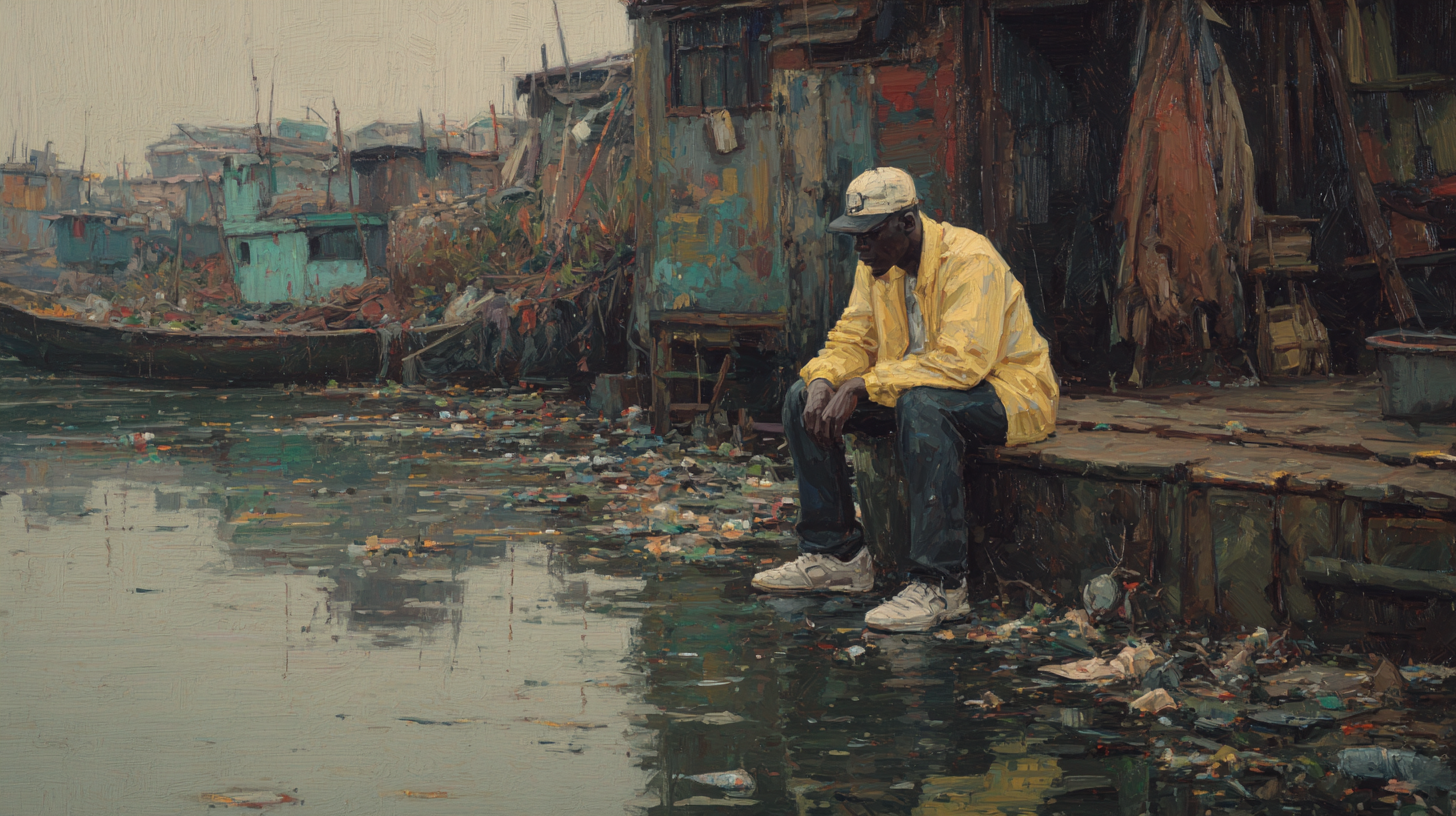
This also means questioning whose knowledge counts. Western education has valued abstract, theoretical, individually-authored knowledge whilst dismissing practical, contextual, collectively-held knowledge. This privileges certain cultural traditions whilst marginalising others.
Challenging educational individualism threatens interconnected structures. Our economic system depends on individuals as isolated consumers and workers. Our political system assumes autonomous citizens. Our legal system holds individuals accountable whilst ignoring systemic constraints.
Yet climate crisis, pandemic response, AI-human interfaces - all demonstrate individualist approaches’ inadequacy. These require collective solutions, yet we default to individual responsibility. We tell people to reduce personal carbon footprints rather than transforming systems. I’ll be writing a piece very soon about a brilliant book by Professor Linda Hill, Collective Genius, which highlights this very point
Perhaps ningen offers something crucial. If we understood ourselves as fundamentally relational, we might prioritise collective flourishing over individual accumulation. We might recognise we only exist through betweenness - with each other, with ecosystems, with the planet.
Education could be where transformation begins. Not by imposing a different universal model but by creating space for multiple ways of understanding human existence. This requires intellectual humility, political courage, practical creativity.
Most fundamentally, it requires recognising the autonomous individual was always a fiction.
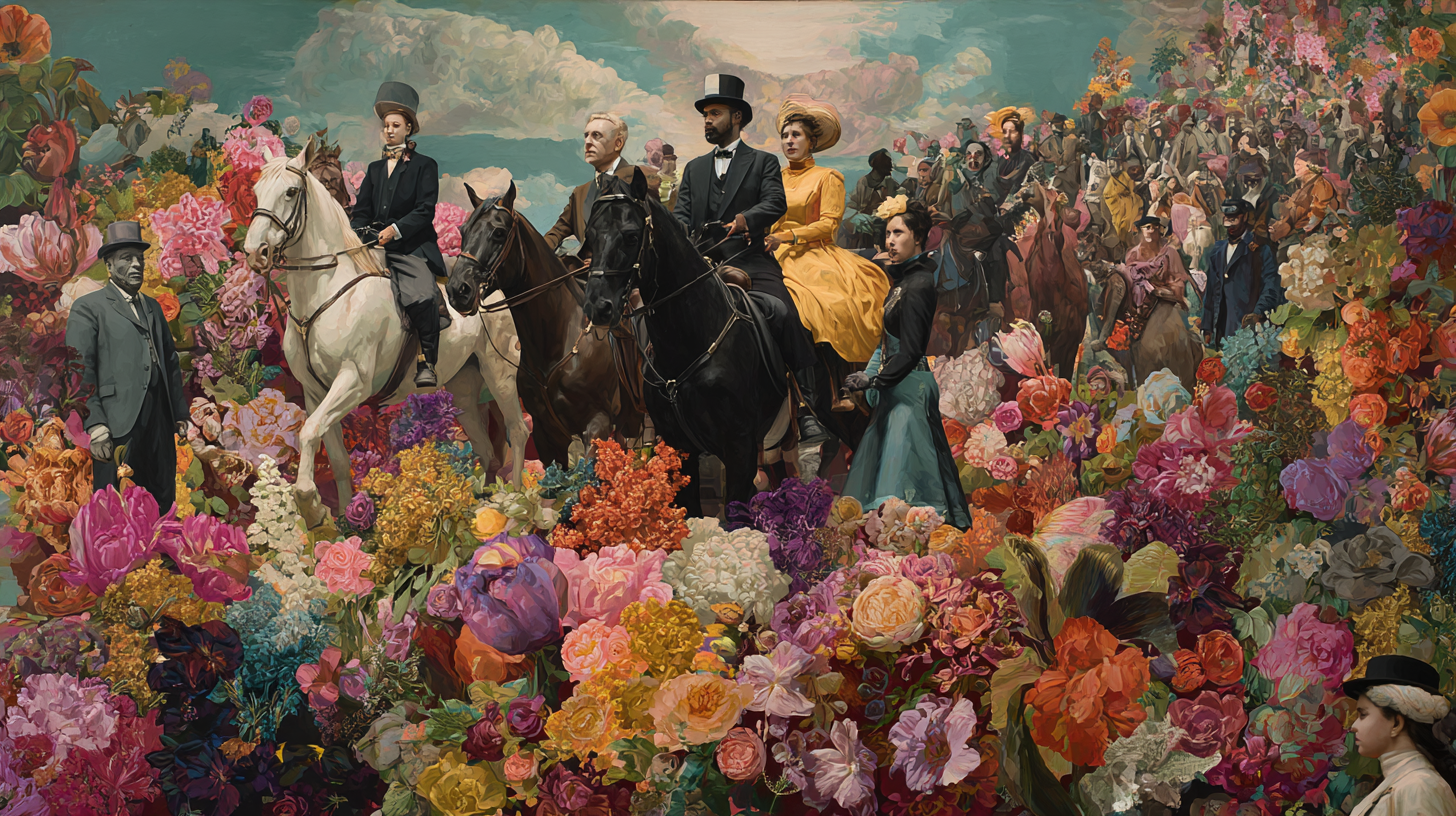
Practical Implications
We should start small. Find willing collaborators. Choose one unit where we’ll deliberately design for betweenness rather than individual achievement. Perhaps a history unit where the class collectively investigates a question - not group work with individual roles, but genuine collaborative enquiry where understanding emerges from dialogue.
Or rethink classroom space. Most classrooms are designed for individual work. What if we redesigned for betweenness? Tables arranged for dialogue, shared materials, spaces for different kinds of collective work.
These pilots need honest evaluation. What understanding emerged that wouldn’t have developed through individual work? How did students’ capacity for dialogue develop? What happened to those who usually dominate or hide? Where did the approach fail?
Teacher training needs rethinking too. If teaching is fundamentally relational, training should focus on capacity for mutual self-negation, for creating space, for facilitating dialogue. Student teachers learning with experienced teachers, both bringing expertise, co-creating understanding. Professional development structures could change. Instead of external experts delivering training, create networks of collaborative enquiry. Teachers investigating shared problems, building understanding together. Not implementing others’ research, but generating contextual knowledge through collective practice.
The hard truth is genuine implementation requires systemic change beyond individual schools’ control. As long as Ofsted judges individual student progress, as long as universities demand individual grades, as long as the assessment industrial complex (to coin Russell Cailey’s phrase) continue to make billions every year, schools will struggle to prioritise betweenness.
But creating cracks matters. Every classroom where genuine dialogue happens, every assessment honouring collective work - these demonstrate different ways are possible. They create alternatives to individualism, giving students and teachers experience of relational learning.
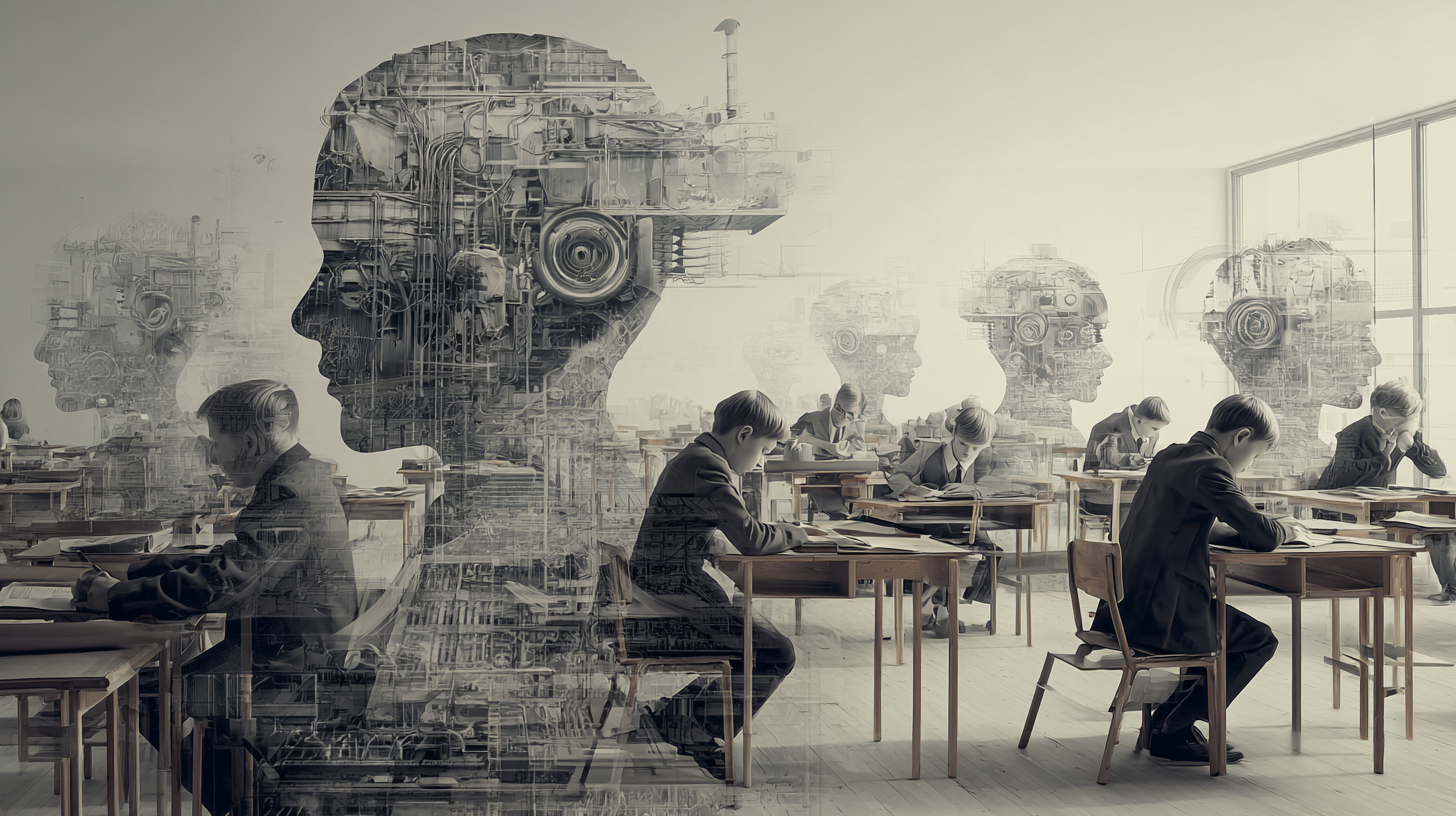
This connects to walking on shifting sands. We can’t wait for stable ground, for policy to change. We work within constraints whilst pushing against them. We take small steps toward betweenness whilst acknowledging the individualist structures limiting us.
So start small. Design one unit for betweenness. Be honest about constraints. Learn from what happens. Share insights. Build evidence. Expand gradually. This is how systemic change begins - from practitioners creating alternatives that prove their worth through practice.
The Japanese concept of ningen isn’t offering another universal model to replace Western individualism. That would repeat the colonial error. Rather, it reveals that our current approach isn’t universal at all - it’s particular, limited, increasingly inadequate.
We never were individuals. We’ve always existed in webs of relationship, through dialogue, as betweenness. Our educational systems might eventually catch up to this reality. Or they’ll continue enforcing a delusion that limits human possibility whilst serving power structures invested in competition and control.
Key Takeaways
- Recognise the delusion. Western individualism isn’t universal human nature - it’s culturally specific conditioning we’ve mistaken for reality. The autonomous self existing prior to relationships is a fiction embedded in our institutions.
- Start with betweenness. When designing learning experiences, ask how understanding will emerge through relationship rather than how individuals will acquire knowledge. Create structures prioritising dialogue, collective enquiry, mutual self-negation.
- Rethink assessment fundamentally. Individual grades for collectively-created learning isn’t just inadequate - it measures the wrong thing. Acknowledge this honestly. Where possible, assess collective understanding or relational capacities.
- Practise mutual emptying. As teachers and leaders, create space for others’ thinking by suspending certainties, need to control, attachment to being expert. This isn’t weakness - it’s the foundation of genuine dialogue.
- Question everything “individual”. Every intervention, target, grade labelled “individual” - interrogate what it assumes about personhood. Could it be redesigned to honour relationality? What constraints prevent it?
- Acknowledge colonial legacy. Western educational individualism was violently exported worldwide. Recognising this isn’t abstract philosophy - it’s understanding how current systems perpetuate inequity whilst pretending neutrality.
- Build alternatives through practice. Systemic change won’t come from policy. It emerges from practitioners creating relational learning spaces, demonstrating their value, building evidence through careful experimentation and honest reflection.
The choice isn’t inevitable. But it is urgent. Because every day we teach students they’re autonomous individuals competing for scarce goods, we make collective flourishing harder. Every time we assess learning that happened through relationship as individual achievement, we destroy the conditions that make deep understanding possible. Every time we ignore the betweenness that constitutes us, we diminish what education might be.
Perhaps there’s something profoundly British about this resistance to acknowledging interdependence. Stiff upper lip. Keep calm and carry on. We don’t need others - we’re self-sufficient, thank you very much. Except we’re not. We never were. And pretending otherwise is killing us - individually and collectively.
The space between us isn’t empty. It’s where we become human. It’s where learning happens. It’s where understanding emerges. Until we honour that space, building our educational practices around relationality rather than individualism, we’ll keep wondering why education feels hollow whilst measuring achievement feels precise.
The gate stands open. The sun shines through. The space beyond beckons. The question is whether we’ll walk through together or keep insisting we’re meant to walk alone.
Further Reading
Discover more interesting articles here.